

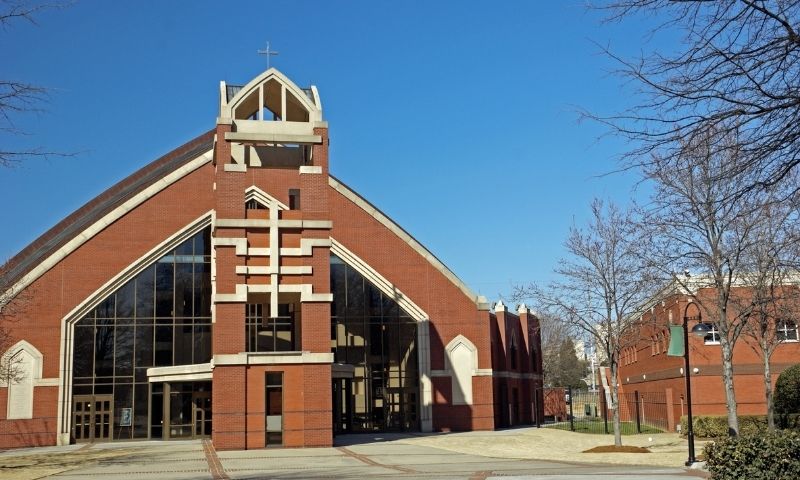
Growing churches in Metro Atlanta face expanding liability, property, staffing, and compliance risks. The right church insurance solution combines scalable coverage, local risk awareness, and ministry-specific protections to support growth while safeguarding people, property, and finances.
Insurance solutions for growing churches in Metro Atlanta should include scalable property, liability, leadership, cyber, and abuse coverage tailored to urban growth, regional weather risks, and expanding ministries. Localized policies help churches manage risk, protect assets, and support sustainable growth.
Why Growing Churches in Metro Atlanta Need Specialized Insurance
Metro Atlanta churches experience growth differently than rural or static congregations. Population expansion, diverse programming, and multi-campus models increase exposure to legal, financial, and operational risks.
Unique regional considerations include:
- Rapid congregation growth and increased foot traffic
- Mixed-use facilities (worship, daycare, events, counseling)
- Severe weather risks (storms, flooding, heat-related damage)
- Higher liability exposure in urban and suburban environments
Insurance must evolve alongside the church’s mission and footprint.
Core Insurance Coverage for Growing Churches
1. Church Property Insurance (Metro Atlanta-Specific Risks)
Property insurance should reflect replacement cost, not market value, especially given Atlanta’s rising construction costs.
Coverage should include:
- Sanctuary, classrooms, offices, and fellowship halls
- Multi-campus and satellite locations
- Audio-visual, worship technology, and sound systems
- Storm, fire, vandalism, and theft protection
Atlanta insight: Churches near flood-prone zones or older neighborhoods may require flood endorsements or separate NFIP policies.
2. General Liability Insurance for Expanding Congregations
As attendance grows, so does exposure to injury and third-party claims.
Protects against:
- Slip-and-fall incidents
- Event-related injuries
- Property damage to third parties
- Off-site ministry activities
Higher attendance typically requires higher liability limits to meet risk tolerance and lender requirements.
3. Directors & Officers (D&O) Insurance for Church Leadership
Growth increases governance complexity.
D&O insurance covers:
- Financial decisions and budgeting disputes
- Employment practices allegations
- Governance conflicts
- Regulatory or compliance claims
This coverage is essential for churches adding boards, committees, or paid staff.
4. Workers’ Compensation & Volunteer Protection
Growing churches often transition from volunteer-only to paid staff models.
Recommended protections include:
- Workers’ compensation for employees
- Volunteer accident coverage
- Employment practices liability (EPLI)
These policies reduce financial exposure while supporting safe workforce expansion.
5. Abuse & Molestation Coverage (Non-Negotiable for Growth)
Churches expanding children’s, youth, or outreach programs must maintain robust protection.
Coverage includes:
- Allegations involving staff or volunteers
- Legal defense costs
- Settlements or judgments
Strong coverage paired with risk management policies strengthens both safety and credibility.
6. Cyber Liability Insurance for Digital Ministries
Metro Atlanta churches increasingly rely on:
- Online giving platforms
- Livestreaming and digital engagement
- Membership databases
Cyber insurance protects against:
- Data breaches
- Donation fraud
- Ransomware attacks
- Privacy violations
This is a critical yet often overlooked coverage for modern churches.
Coverage Comparison: Static vs. Growing Churches
| Coverage Area | Static Church | Growing Church in Metro Atlanta |
| Property Limits | Minimal | Scalable, replacement-cost based |
| Liability Limits | Standard | Increased for higher attendance |
| D&O Coverage | Optional | Essential |
| Cyber Liability | Often excluded | Strongly recommended |
| Abuse Coverage | Basic | Comprehensive with endorsements |
| Business Interruption | Rare | Important for continuity |
Local Risk Factors Unique to Metro Atlanta Churches
- Weather volatility: Severe storms and flash flooding
- Urban liability exposure: Higher foot traffic and public events
- Regulatory scrutiny: Zoning, employment, and childcare compliance
- Real estate appreciation: Underinsured properties are common
Localized insurance expertise ensures policies reflect these realities.
Risk Management Strategies That Lower Premiums
Growing churches can control costs while improving safety by:
- Implementing child safety and volunteer screening policies
- Conducting annual property valuations
- Installing security and fire protection systems
- Reviewing insurance annually as programs expand
Insurance should support growth—not restrict it.
Frequently Asked Questions
What insurance does a growing church in Metro Atlanta need most?
A growing church needs scalable property, general liability, D&O, abuse, cyber, and workers’ compensation coverage.
Do churches in Atlanta need flood insurance?
Flood insurance is recommended for churches in low-lying or flood-prone Metro Atlanta areas, as standard policies exclude flood damage.
How often should church insurance be reviewed?
Church insurance should be reviewed annually or whenever the church adds staff, programs, or facilities.
Is cyber insurance necessary for churches?
Yes, churches handling online donations or member data face real cyber and fraud risks.
Can insurance scale as a church grows?
Yes, properly structured church insurance policies are designed to scale with attendance, staff, and facilities.