

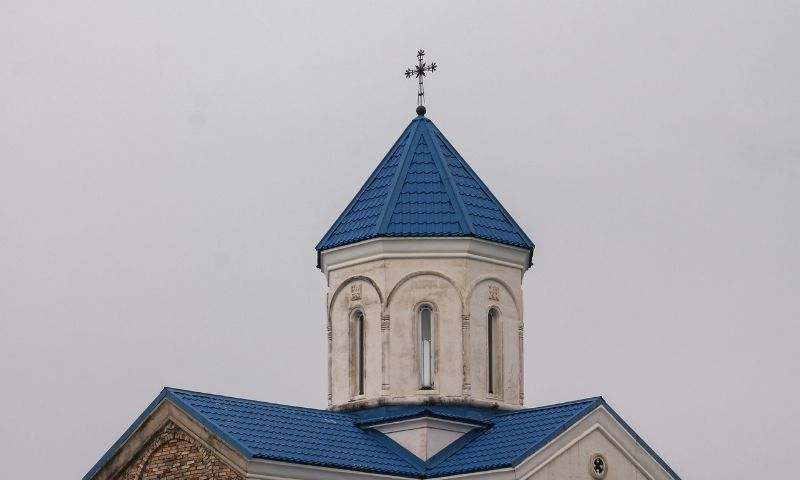
Georgia churches face increasing risks from severe storms, high winds, and hail that can damage roofs, windows, and historic structures. Proactive risk management, proper building maintenance, and church-specific insurance coverage help ministries reduce losses, speed recovery, and protect their congregation, property, and mission year-round.
Protecting Georgia churches from storm, wind, and hail damage requires a combination of preventive maintenance, resilient building materials, emergency preparedness plans, and specialized church insurance coverage designed for Georgia’s severe weather patterns and rebuilding costs.
Why Georgia Churches Are Especially Vulnerable to Storm Damage
Georgia’s climate exposes churches to frequent thunderstorms, tropical storm remnants, straight-line winds, and hail events. Older sanctuaries, metal roofs, steeples, and stained-glass windows increase vulnerability, especially for rural and historic congregations.
Key regional risk factors include:
- Severe thunderstorms from spring through fall
- High wind events exceeding standard building tolerances
- Hail damage to roofs, HVAC units, and skylights
- Falling trees and debris during storms
- Aging structures not built to modern wind codes
Common Storm, Wind, and Hail Damage to Church Properties
Roof and Structural Damage
- Lifted or punctured shingles
- Dents and leaks in metal roofs
- Structural stress on trusses and steeples
Exterior and Interior Impacts
- Broken windows and stained glass
- Water intrusion damaging pews, flooring, and altars
- Mold growth following delayed repairs
Operational Disruption
- Cancelled services and events
- Safety hazards for congregants
- Unexpected repair costs impacting church budgets
Preventive Measures Georgia Churches Should Prioritize
1. Roof Inspections and Reinforcement
Annual inspections before storm season help identify weak points. Impact-resistant roofing materials significantly reduce hail-related claims.
2. Tree and Grounds Management
Trimming overhanging branches and removing dead trees reduces the risk of wind-driven damage.
3. Secure Exterior Features
Steeples, crosses, signage, gutters, and HVAC units should be professionally secured to withstand high winds.
4. Storm Preparedness Plans
Church leadership should establish protocols for:
- Facility shutdowns
- Emergency communications
- Post-storm inspections
The Role of Church Insurance in Storm Protection
Standard commercial policies often leave coverage gaps. Church-specific insurance in Georgia is designed to address regional weather risks and ministry operations.
Essential Coverages for Georgia Churches
- Property Insurance: Covers storm, wind, and hail damage to buildings
- Windstorm & Hail Endorsements: Ensures full protection where exclusions apply
- Replacement Cost Coverage: Prevents depreciation losses
- Business Interruption Insurance: Covers lost income and temporary relocation
- Debris Removal Coverage: Pays for cleanup after storms
Storm Damage Risk Comparison: Georgia Churches vs. General Properties
| Risk Area | Georgia Churches | Standard Commercial Buildings |
| Roof Exposure | High (steeples, large spans) | Moderate |
| Building Age | Often older | Typically newer |
| Storm Frequency | High | Variable |
| Insurance Complexity | Specialized | Standard |
| Recovery Impact | Ministry disruption | Business interruption |
Unique Insurance Considerations for Historic and Rural Churches
Many Georgia churches are historic landmarks or rural structures with limited access to rapid repairs.
Special considerations include:
- Higher reconstruction costs for historic materials
- Limited contractor availability after widespread storms
- Increased vulnerability to extended closures
Specialty endorsements help ensure these churches are not underinsured.
Post-Storm Best Practices for Churches
After a storm event, churches should:
- Document all visible damage with photos
- Prevent further damage with temporary repairs
- Notify insurance providers promptly
- Avoid permanent repairs before adjuster approval
- Keep detailed expense records
These steps speed up claims and reduce disputes.
FAQ: Protecting Georgia Churches from Storm Damage
What types of storms cause the most damage to Georgia churches?
Severe thunderstorms with high winds and hail cause the most frequent and costly damage to Georgia church buildings.
Does standard church insurance cover wind and hail damage?
Coverage varies by policy, and many churches need specific wind or hail endorsements for full protection.
Are older church buildings at greater risk during storms?
Yes, older structures often lack modern wind-resistant construction and require specialized coverage and maintenance.
How often should churches inspect their roofs in Georgia?
At least once annually and after any major storm event.
Is business interruption coverage important for churches?
Yes, it helps cover lost income and expenses if services or programs are suspended due to storm damage.